  • Search traffic over the last 28 days

    Total Impressions

    Gathering data…

    Total Clicks

    Gathering data…

    Unique Visitors from Search

    Gathering data…

    Key Events

    Gathering data…
    ImpressionsPrevious periodJul 27Aug 6Aug 16Aug 1Aug 11Aug 210.00.20.40.60.81.0
    DayImpressionsPrevious period
    DayImpressionsPrevious period
    Gathering data…

Tag: Well-Being

Navigating Loss

Ever felt that strange, hollowed-out feeling after a big loss? Whether it was a breakup, losing a job, or the death of a loved one, grief has a way of making you feel like you’re losing your mind.


Good news: You’re not broken, and you’re not going crazy.

What you’re feeling is a powerful and very real biochemical process happening inside your brain and body.

| Navigating Loss

🤯 You’re foggy, your emotions are all over the place, and you might even feel physically sick. Think of me as your coach. We’re going to peek under the hood, understand the science of why you feel this way, and then I’ll give you a clear, no-BS game plan to start healing.

Your Brain’s Grief Cocktail: The Science Bit 🧪

Right now, your brain is basically a nightclub where the wrong DJ took over. The “feel-good” chemicals have left the building, and the “stress” chemicals are having a rave.

      • The Stress Crew (Cortisol & Norepinephrine): Imagine your body’s emergency alarm is stuck in the “ON” position. That’s Cortisol. It’s flooding your system, making you feel anxious, jumpy, and unable to sleep. It’s why every little thing feels like a major threat right now.
      • The Connection Crew (Dopamine & Oxytocin): These are your “reward” and “hug” chemicals. Dopamine is what makes you feel pleasure and motivation—it’s the chemical hit you get from a great conversation or nailing a level in a video game. Oxytocin is the “hug hormone” that makes you feel connected to your squad. When you experience loss, the levels of both of these chemicals plummet. The result? Nothing feels fun, and you feel deeply, painfully alone.

A Tug-of-War Inside Your Head 🧠

Your brain itself is in a literal conflict. Two key parts are fighting for control, and it’s making your head feel like a browser with way too many tabs open.

  1. The Drama Llama (Your Amygdala): This is the emotional, reactive part of your brain. During grief, it’s on high alert, screaming “DANGER!” at everything. It’s the source of those sudden waves of panic, anger, and deep sadness.
  2. The Adult in the Room (Your Prefrontal Cortex): This is the logical part of your brain responsible for decision-making and calming the Drama Llama down. The problem? The stress cocktail of grief basically takes the Adult offline. It’s overwhelmed and can’t do its job properly.

This internal tug-of-war is why you feel so foggy, why you can’t focus, and why you might make questionable decisions. Your emotional gas pedal is floored, and your logical brakes are out of commission.


    Your Game Plan: 3 Steps to Start Healing Today


    Action Step 1: Reboot Your System (Mindfully) 🙏

    • What to do: Just breathe. Seriously. Find a quiet spot and try this for just 60 seconds. Inhale slowly for a count of four, hold for four, exhale slowly for a count of six. Repeat.
    • Why it works: Controlled breathing is like a secret weapon. It manually turns down the “Drama Llama” (amygdala) and helps bring the “Adult in the Room” (prefrontal cortex) back online. It tells your nervous system that you are safe, forcing the stress alarm to quiet down. It’s a workout for your brain’s regulation center.
    • Your mission: Do this once a day. That’s it. Put a reminder on your phone if you have to.

    Action Step 2: Call in Your Support Squad 📲

    • What to do: Reach out to one person. A friend, a family member, a therapist. Send a text. Make a call. You don’t need to have a deep conversation. Just make a connection.
    • Why it works: Remember that “hug hormone,” Oxytocin? Positive social interaction releases it. Oxytocin is a natural antidote to the stress hormone Cortisol. It literally helps your body calm down and feel safe. Connection is a biological need, not a sign of weakness.
    • Your mission: Send one text right now that says, “Hey, been having a tough time. Thinking of you.”

    ” You’ve been through something immense, and your body and brain are working overtime to process it. Be patient with yourself. Healing isn’t a straight line—it’s a messy, looping journey. But by understanding the science and taking these small, deliberate steps, you are actively rewiring your brain and taking back your power. “


    Action Step 3: Do One Small Thing

    • What to do: Pick one small, manageable activity and do it. Tidy one corner of your room. Listen to one favorite song from start to finish. Take a 10-minute walk outside. Complete one level of a simple game.
    • Why it works: This is about rebooting your Dopamine (reward) system. Your brain has forgotten what it feels like to accomplish something and get that little “ping” of satisfaction. A tiny win creates a tiny burst of dopamine, reminding your brain that feeling good is still possible. It builds momentum.
    • Your mission: Pick one thing from this list (or your own) and do it before the end of the day. You’ve got this. 💪

        Research References

    American Psychological Association. (2022, February 15). How grieving changes the brain, with Mary-Frances O’Connor, PhD [Audio podcast episode]. In Speaking of Psychology. https://www.apa.org/news/podcasts/speaking-of-psychology/grieving-changes-brain

    Baron, A. E., & Côté, S. (2018). An evolutionary account of vigilance in grief. Evolutionary Psychological Science, 4(1), 1–13. https://doi.org/10.1007/s40806-017-0109-1

    Becker, C., Taniyama, Y., & Kono, T. (2022). How grief, funerals, and poverty affect bereaved health, productivity, and medical dependence in Japan. OMEGA – Journal of Death and Dying, 85(1), 168–191. https://doi.org/10.1177/0030222820961131

    Block, S. D. (2012). Treating bereavement. AMA Journal of Ethics, 14(6), 456-461. https://doi.org/10.1001/virtualmentor.2012.14.6.pfor2-1206

    Boelen, P. A. (2006). A cognitive-behavioral conceptualization of complicated grief. Bereavement Care, 25(1), 8-11. https://doi.org/10.1080/02682620608657644

    Bui, E., et al. (2012). Pharmacological approaches to the treatment of complicated grief: Rationale and a brief review of the literature. Dialogues in Clinical Neuroscience, 14(2), 149-157.(https://doi.org/10.31887/DCNS.2012.14.2/ebui)

    Bülow, P. (2023). The neuroscience of grief. Journal of Scientific Exploration, 10(4). https://www.josha-journal.org/download_pdf/the-neuroscience-of-grief?locale=en

    Click2Pro. (n.d.). The stages of grief: Brain, body, and the science behind loss. https://click2pro.com/blog/stages-of-grief-brain-body-science

    Coppola, G., Garieri, G., Fasano, A., & D’Aniello, A. (2013). The 5-HTTLPR promoter polymorphism of the serotonin transporter gene and adult unresolved attachment. Developmental Psychology, 49(7), 1251–1256. https://doi.org/10.1037/a0029311

    Doering, B. K., & Eisma, M. C. (2016). Treatment for complicated grief: State of the science and ways forward. Current Opinion in Psychiatry, 29(5), 286-291.(https://doi.org/10.1097/YCO.0000000000000267)

    Duffy, M., & Wild, J. (2023). Living with loss: A cognitive approach to Prolonged Grief Disorder- incorporating complicated, enduring and traumatic grief. Behavioural and Cognitive Psychotherapy, 1-13. https://www.neuroscience.ox.ac.uk/publications/1332788

    Fagundes, C. P., Brown, R. L., Chen, M. A., Murdock, K. W., Saucedo, L., LeRoy, A. S.,… & Heijnen, C. J. (2018). Grief, depressive symptoms, and inflammation in the spousally bereaved. Psychoneuroendocrinology, 97, 150-153. https://doi.org/10.1016/j.psyneuen.2018.07.011

    Feeling Good Institute. (2015). Cognitive behavioral therapy for prolonged grief disorder: Research brief. Feeling Good Institute Blog. https://feelinggoodinstitute.com/blog/cognitive-behavioral-therapy-for-prolonged-grief-disorder-research-brief
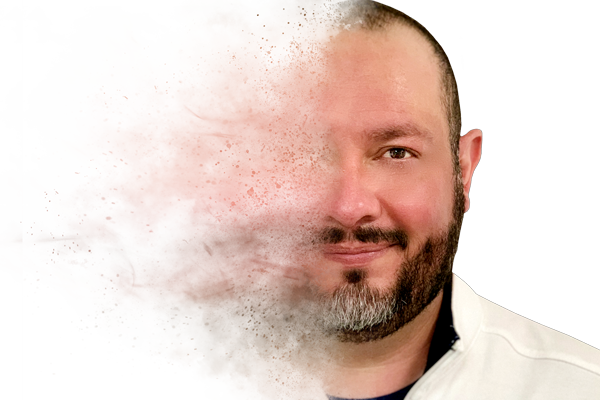
    Antonio Caballero

    Psychologist Neuroscientist, Experiential Designer, Behavioral Analyst

    Enthusiast decoder on the “why” behind human behavior. I don’t just study the mind, but build compelling worlds for it to explore.

    .

    Author Page

    Newsletter

    The Source Report

    The Biochemistry of Loss:

    A Neuroscientific, Psychological, and Biological Synthesis of Its Impact, Origins, and Pathways to Healing

    • Audio Overview

      07:36 minutes

    • Reading Length

      13:23 minutes

    • Publisher

      Creation Axis
    • Release

      Summer 2025

    Shop – To Go

    Related Articles

    Continue reading

    Find Your Calm

    The constant stream of information, demands, and deadlines can feel like a relentless storm, leaving us feeling adrift and disconnected.

    | Find your Calm

    Many of us search for an escape—a vacation, a distraction, a moment of silence—believing that calm is a place we must find outside of ourselves. But what if I told you that true, resilient calm isn’t found in the absence of the storm? What if it’s a skill you can build, an anchor you can deploy right in the middle of it?

    When stress hits, our brain’s ancient alarm system—the amygdala—takes over. It triggers the “fight-or-flight” response, flooding our body with adrenaline and cortisol. Our heart races, our breathing becomes shallow, and our rational thinking brain (the prefrontal cortex) goes offline. We are in survival mode, even if the “threat” is just an overflowing inbox or a difficult conversation.

    How to fight it?

    To find your calm, you don’t need to eliminate the trigger. You simply need to learn how to soothe the alarm and bring your rational brain back online. I have distilled this process into a simple, three-step technique you can use anywhere, anytime, to re-establish your internal equilibrium. I call it the A.B.V. Technique: Acknowledge, Breathe, Voice.

    Your 3-Step Healing Starter Pack


    Step 1: Acknowledge – The Anchor

    Before you can change how you feel, you must notice it. When you feel that wave of stress, anxiety, or anger begin to rise, pause. Instead of fighting it or being swept away by it, simply name it.

    • The Practice: Silently say to yourself, “This is anxiety,” or “My chest feels tight,” or “I am feeling overwhelmed.” Don’t judge the feeling or yourself for having it. Just observe it.

    • The Neuroscience: By naming the emotion, you are engaging your prefrontal cortex. This simple act of labeling shifts activity from the reactive, emotional part of your brain to the more conscious, observational part. It’s like turning a flashlight on in a dark room; you can see what’s there, and it immediately becomes less frightening. This is your anchor in the storm.

    Step 2: Breathe – The Balancer

    Your breath is the most powerful and accessible tool you have for regulating your nervous system. Shallow, rapid breathing tells your brain there is danger. Deep, slow breathing sends a powerful signal of safety.

    • The Practice: Take a slow, deliberate breath in through your nose for a count of four. Hold it gently for a count of four. Exhale slowly through your mouth for a count of four. Pause for a count of four. Repeat this “box breathing” cycle 3-5 times. Focus completely on the sensation of the air entering and leaving your body.

    • The Neuroscience: This rhythmic, controlled breathing directly activates the parasympathetic nervous system—your body’s “rest and digest” system. It acts as a direct brake on the “fight-or-flight” response, lowering your heart rate, reducing blood pressure, and telling your brain’s alarm system that the threat has passed. This is how you restore your physiological balance.

    ” Calm isn’t about escaping stress, but discovering within you the mental and emotional tools to navigate it. It is a conscious practice of slowing down, listening to your body, and reconnecting with yourself, your balance, your voice, and ultimately your own style.”


    Step 3: Voice – The Navigator

    Now that you have anchored yourself and balanced your system, you can move from a state of reaction to one of conscious choice. This final step is about reconnecting with your own agency—your voice.

    • The Practice: Ask yourself a simple, forward-looking question. Not “Why is this happening to me?” but rather, “What is one small thing I can control right now?” or “What do I truly need in this moment?” The answer might be to get a glass of water, to stretch for 30 seconds, to write down one task on a piece of paper, or to decide to address the issue later.

    • The Neuroscience: This step fully brings your prefrontal cortex—the center of problem-solving, planning, and self-awareness—back in charge. By asking what you can do, you reclaim your sense of control and shift your perspective from being a victim of the situation to being the navigator of your response. This is where you reconnect with your power and your unique style of handling life’s challenges.

    Finding your calm is not a one-time event; it is a moment-to-moment practice. The A.B.V. Technique is a tool, and like any tool, it becomes more effective with use. Use it when you’re stuck in traffic. Use it before a difficult meeting. Use it when you feel the pressure start to build.

    Each time you Acknowledge, Breathe, and give yourself a Voice, you are rewiring your brain. You are building a new neural pathway—a pathway to your own unshakable center, where calm is not a distant shore, but the very ground beneath your feet.

        Research References

    Abrams, Z. (2019, May). The toll of isolation. American Psychological Association. https://www.apa.org/monitor/2019/05/ce-corner-isolation

    American Psychiatric Association. (2024, May). Exploring digital therapeutics. https://www.psychiatry.org/news-room/apa-blogs/exploring-digital-therapeutics

    American Psychological Association. (n.d.). Work, stress, and health & socioeconomic status. https://www.apa.org/pi/ses/resources/publications/work-stress-health

    American Psychological Association. (2024, January 10). Mental health digital therapeutics are expanding access to care. https://www.apa.org/news/apa/2024/mental-health-digital-therapeutics

    American Psychological Association Services. (2025). New policies affecting access to mental health care. https://updates.apaservices.org/new-policies-affecting-access-to-mental-health-care

    Apollo 2028. (2024, May 24). Studying the economic impact of stress at work. https://www.apollo-2028.eu/news-articles/studying-economic-impact-of-stress-at-work

    Brazier, Y., & Tello, M. (2023, December 12). Acute vs. chronic stress: What’s the difference? Healthline. https://www.healthline.com/health/stress/acute-vs-chronic-stress

    Center for Health, Work & Environment. (n.d.). The cost of doing nothing: The financial burden of job stress. University of Massachusetts Lowell. https://www.uml.edu/research/cph-new/worker/stress-at-work/financial-costs.aspx

    Centers for Disease Control and Prevention. (2024, April 1). Social isolation and loneliness are a risk to your health. https://www.cdc.gov/social-connectedness/risk-factors/index.html

    Centers for Disease Control and Prevention. (2025, June 9). What CDC is doing. https://www.cdc.gov/mental-health/about/what-cdc-is-doing.html

    Cleveland Clinic. (2021, December 28). Stress: Causes, symptoms, management & prevention. https://my.clevelandclinic.org/health/diseases/11874-stress

    Cooleaf. (2024, February 20). 10 employee wellness programs from winning companies. https://www.cooleaf.com/blog/employee-wellness-programs-from-winning-companies

    Desbordes, G., et al. (2017). Mindfulness-based interventions for anxiety and depression. FOCUS, 15(4), 379-387. https://pmc.ncbi.nlm.nih.gov/articles/PMC5679245/

    Antonio Caballero

    Psychologist Neuroscientist, Experiential Designer, Behavioral Analyst

    Enthusiast decoder on the “why” behind human behavior. I don’t just study the mind, but build compelling worlds for it to explore.

    .

    Author Page

    Newsletter

    The Source Report

    The Chronic Stress:

    A Comprehensive Analysis of its Origins, Impact, and the Path to Mitigation.

    • Audio Overview

      06:08 minutes

    • Reading Length

      13:23 minutes

    • Publisher

      Creation Axis
    • Release

      Summer 2025

    Shop – To Go

    Related Articles

    Continue reading

    Rising Journey

    Let’s be real. Does life sometimes feel like you’re trying to run a marathon, but you’re wearing a backpack full of rocks?

    | Rising journey

    If you’re nodding along, take a deep breath. You are not broken, and you are definitely not alone. What you’re feeling is the silent weight that our generations—Millennials, Gen Z, and even Gen Alpha—are carrying.

    It’s a collective experience, a global mental health crisis that’s touching nearly one in eight people worldwide. But this isn’t another article to make you feel helpless. This is a conversation. This is your guide to understanding the “why” behind the weight and, more importantly, how to start setting those rocks down, one by one…

    The “Why” Behind the Weight

    It’s not just in your head. The world we’ve grown up in is fundamentally different, and our brains are struggling to keep up.

    • The Pressure Cooker Life: From student loan debt and the gig economy to the sheer cost of living, financial stress is a constant hum in the background for many of us. This isn’t just “adulting”—it’s navigating a system that creates a vicious cycle of financial strain and psychological distress.
    • The Doomscroll Dilemma: Our phones are our windows to the world, but right now, that window often shows a world on fire. Constant exposure to traumatic news about climate change, social injustice, and conflict isn’t something our nervous systems were built to handle 24/7. It leads to a very real sense of “eco-anxiety” and secondary trauma, leaving us feeling helpless and scared for the future.
    • The Tech Paradox: Social media connects us, but it’s also a breeding ground for comparison, cyberbullying, and the Fear of Missing Out (FOMO). That quick hit of dopamine from a “like” can desensitize our brain’s reward system over time, making it harder to find joy in real-world activities. It’s an architecture of distress disguised as connection.

    It’s Not Just a Feeling—It’s Physical

    Ever feel exhausted for no reason? That’s because this mental weight has physical consequences. The blue light from our screens, especially late at night, messes with our melatonin production—the hormone that tells our body it’s time to sleep. This disrupts our natural body clock, leading to poor sleep, which is a direct trigger for both anxiety and depression.

    The constant notifications and pressure to be “on” also keep our bodies in a low-grade state of “fight-or-flight,” pumping out the stress hormone cortisol. Over time, this chronic stress can lead to everything from burnout to physical aches and pains. So no, you’re not just “being dramatic”—your body is genuinely struggling to cope.

    Your 3-Step Healing Starter Pack

    Knowing the “why” is validating, but it’s not a solution. Healing isn’t about fixing the world overnight; it’s about reclaiming your power and starting where you are. Think of this as your personal coaching plan to begin lifting the weight.


    Step 1: Curate Your Reality

    You can’t control the world, but you can control what you let into your mind. This isn’t about logging off forever; it’s about using technology as a tool, not letting it use you.

    • The Action: Do a “Feed Audit.” Go through your social media right now. Unfollow every account that makes you feel anxious, inadequate, or angry. Mute words or phrases that trigger your stress. Then, actively follow accounts that are inspiring, calming, funny, or just neutral. Fill your digital space with things that nourish you, not drain you. Turn off all non-essential notifications. Your brain deserves a break.


    Step 2: Reconnect with the Real World

    Loneliness is a huge part of this crisis, and digital interaction is like junk food for our social soul—it fills a space but doesn’t truly nourish. We need genuine, real-world connection.

    The Action: Make one small, tangible plan. Don’t overwhelm yourself. Text a friend and set a specific time for a 15-minute walk. Call a family member instead of texting. Look up a local club for a hobby you’re curious about—a book club, a hiking group, a volunteer opportunity—and just go to one meeting. The goal is to break the inertia of isolation with one simple, achievable step.


    ” This journey isn’t easy, and it isn’t linear. There will be good days and bad days. But you are part of a generation that is brave enough to talk about mental health, to challenge the stigma, and to demand better for yourselves and for each other.

    Start with one step. Curate your feed. Make that call. Break the silence. We’re in this together, and we can heal together.”


    Step 3: Break the Silence

    The stigma around mental health makes us feel like we have to carry our struggles in secret, but that silence is what gives the struggle its power. Talking about it is an act of rebellion and the first step toward true healing.

    The Action: Share with one safe person. You don’t need to post your story online (unless you want to!). Choose one person you trust—a friend, a partner, a family member, a teacher—and tell them, “Hey, I’ve been having a hard time lately.” You don’t need to have all the answers. Just saying it out loud can lift an incredible amount of weight. And if you feel you need more support, think of therapy as coaching for your mind. It’s a sign of strength. Resources like the 988 Suicide & Crisis Lifeline are available 24/7 for free, confidential support.

        Research References

    Abramson, B., Boerma, J., & Tsyvinski, A. (2024). The macroeconomic impact of mental illness. Columbia Business School. https://business.columbia.edu/research-brief/economic-impact-mental-illness

    Addiction Counselor CE. (n.d.). Artificial intelligence in behavioral health: Challenging ethical issues. Retrieved August 31, 2025, from https://www.addictioncounselorce.com/blog/artificial-intelligence-in-behavioral-health-challenging-ethical-issues

    Ahmed, O., et al. (2024). Social media use, mental health, and sleep: A systematic review with meta-analyses. ResearchGate. https://www.researchgate.net/publication/383760685_Social_media_ use_mental_health_and_sleep_A_systematic_review_with_meta-analyses

    Al-Dossary, S., Al-Ghamdi, S., Al-Amri, S., Al-Subaie, A., Al-Qahtani, A., & Al-Zahrani, A. (2023). The relationship between social media use and depression among adolescents: A scoping review. Behavioral Sciences, 13(6), 475. https://www.mdpi.com/2076-328X/13/6/475

    Al-Jubouri, A., & Al-Tameemi, F. (2021). Social media use, social anxiety, and loneliness: A systematic review. Computers in Human Behavior Reports, 3, 100070.

    Alowais, S. A., Al-Bader, S., Sabt, A., & Al-Mureden, Z. (2024). Ethical considerations of using artificial intelligence in mental health. Journal of Multidisciplinary Healthcare, 17, 123–135.

    American Academy of Pediatrics. (n.d.). How is screen time affecting my child’s sleep? Retrieved August 31, 2025, from https://www.aap.org/en/patient-care/media-and-children/center-of-excellence-on-social-media-and-youth-mental-health/qa-portal/qa-portal-library/qa-portal-library-questions/screen-time-affecting-sleep/

    American Counseling Association. (n.d.). The historical roots of racial disparities in the mental health system. Counseling Today. Retrieved August 31, 2025, from https://www.counseling.org/publications/counseling-today-magazine/article-archive/article/legacy/the-historical-roots-of-racial-disparities-in-the-mental-health-system

    American Hospital Association. (2023, March 16). AHA case studies feature hospitals that integrate physical and behavioral health services. https://www.aha.org/news/headline/2023-03-16-aha-case-studies-feature-hospitals-integrate-physical-and-behavioral-health-services

    American Psychiatric Association. (n.d.). Mental health facts. Retrieved August 31, 2025, from https://www.psychiatry.org/psychiatrists/diversity/education/mental-health-facts

    American Psychiatric Association. (n.d.). Stigma and discrimination. Retrieved August 31, 2025, from https://www.psychiatry.org/patients-families/stigma-and-discrimination

    American Psychiatric Association. (2021, May 27). The economic cost of depression is increasing. https://www.psychiatry.org/news-room/apa-blogs/the-economic-cost-of-depression-is-increasing

    American Psychological Association. (n.d.). How does climate change affect mental health? Retrieved August 31, 2025, from https://www.apa.org/topics/climate-change/mental-health-effects

    American Psychological Association. (n.d.). Digital therapeutics and mobile health. Retrieved August 31, 2025, from https://www.apa.org/practice/digital-therapeutics-mobile-health

    American Psychological Association Services. (n.d.). The benefits and challenges of digital mental health. Retrieved August 31, 2025, from https://www.apaservices.org/practice/ce/expert/digital-mental-health-benefits

    American Psychological Association Services. (2025, July 4). New policies affecting access to mental health care. https://updates.apaservices.org/new-policies-affecting-access-to-mental-health-care

    Andersen, J. A., & Scherman, A. (2024). The mental health age gradient by gender identity. The Lancet Public Health, 9(3), e150–e151.

    Anxiety & Depression Association of America. (n.d.). Internet abuse and PTSD. Retrieved August 31, 2025, from https://adaa.org/learn-from-us/from-the-experts/blog-posts/consumer-professional/internet-abuse-ptsd

    Aspen Institute. (n.d.). A crisis of our time: Exploring the global rise of mental illness through economics, lived experiences, and expert insights. Retrieved August 31, 2025, from https://www.aspeninstitute.org/publications/a-crisis-of-our-time/

    Aydin, M. A., et al. (2024). The relationship between social media use and functionality in patients with bipolar disorder and schizophrenia spectrum disorder. Psychiatry and Clinical Psychopharmacology, 34(1), 1–7.

    Bartels, S. J., Levine, K. J., & Shea, D. (2004). Community-based outreach to older adults with mental illness. Psychiatric Services, 55(11), 1237–1242.

    Behavioral Health Network. (n.d.). Evidence-based practice. Retrieved August 31, 2025, from https://www.bhninc.org/evp

    Antonio Caballero

    Psychologist Neuroscientist, Experiential Designer, Behavioral Analyst

    Enthusiast decoder on the “why” behind human behavior. I don’t just study the mind, but build compelling worlds for it to explore.

    .

    Author Page

    Newsletter

    The Source Report

    The Global Mental Health Crisis:

    A Comprehensive Analysis of Drivers, Impacts, and the Path to a Resilient Future.

    • Audio Overview

      05:57 minutes

    • Reading Length

      18.47 minutes

    • Publisher

      Creation Axis
    • Release

      Summer 2025

    Shop – To Go

    Related Articles

    Continue reading

    Challenge of Change

    That feeling of being pulled in two directions? The anxiety, the indecision?

    That’s the battle between your primal panic button and your modern, logical mind.

    | Challenge of Change
    • Why Your Brain Freaks Out About Change?

      Ever feel like your life just threw a massive plot twist at you? Maybe it’s starting a new school, a breakup you didn’t see coming, or even just moving to a new apartment. One minute you’re cruising, and the next, your internal alarm system is blaring. You feel anxious, overwhelmed, and all you want to do is hit the “undo” button.

      If that sounds familiar, you’re not broken. You’re human. And your brain is doing exactly what it was designed to do millions of years ago.

    • Your Brain’s Ancient Survival Mode Is Messing With Your Vibe:

      Deep inside your brain is a tiny, almond-shaped part called the amygdala. Think of it as your brain’s super-sensitive smoke detector. Its main job? To scream “DANGER!” anytime something unfamiliar happens.

      When you face a big change, your amygdala doesn’t know the difference between a tiger about to attack and a notification that your team at work is being reorganized. It just detects “the unknown” and hits the panic button.

      This triggers a flood of stress hormones like adrenaline and cortisol. Your heart races, your palms get sweaty, and your mind goes blank. This is your body’s “fight-or-flight” mode. It was super helpful for our ancestors, but in 2025, it mostly just makes you want to hide under the covers and binge-watch a comfort show.

      Meanwhile, the logical, grown-up part of your brain, the prefrontal cortex (think of it as your inner mentor or coach), is trying to be chill. It’s saying, “Hey, it’s okay, we can figure this out.” But the amygdala is so loud that it’s hard for your rational brain to get a word in.


    The Real Cost of Staying Stuck

    When you let that panic button run the show for too long, it starts to wear you down. Chronic resistance to change doesn’t just feel bad; it leads to serious burnout, messes with your relationships, and can even make you physically sick. It’s the reason you feel exhausted all the time, snap at people you love, and can’t focus on your goals.

    But here’s the good news: you can train your brain to react differently. Your brain is incredibly adaptable—a quality called neuroplasticity. You can literally build new mental pathways that make you more resilient, calm, and ready for anything.


    Your 3-Step Toolkit for Navigating Change


    Step 1: Name It to Tame It.

    The first step is to simply notice what’s happening inside you, without judgment. When that wave of anxiety hits, pause for a second. Take a breath. Silently say to yourself, “Okay, this is anxiety. My amygdala is firing off. I feel it in my chest.”

    By naming the feeling, you shift from being the emotion to observing it. This simple act activates your logical prefrontal cortex, turning down the volume on the amygdala’s alarm. You’re not trying to fix it or fight it; you’re just acknowledging it. It’s like saying, “I see you, panic mode. Thanks for trying to protect me, but I’ve got this.”


    Step 2: Flip the Script.

    Your brain’s first draft of any story involving change is usually a negative one, filled with “what ifs” and worst-case scenarios. Your job is to become an editor and rewrite the story.

    Grab a notebook or open the notes app on your phone. Write down the scary thought that’s on repeat. For example: “I’m going to fail at this new job.”

    Now, challenge it. Ask yourself:

    • Is that 100% true?
    • What’s a more balanced or positive way to look at this?
    • What’s one piece of evidence that I might actually succeed?

    Your “flipped script” might be: “This new job is a challenge, and I’m still learning. I have skills, and it’s okay to ask for help.” You’re not lying to yourself or being toxicly positive. You’re finding a more realistic, hopeful, and empowering perspective.


    ” Change will never be completely comfortable—it’s not supposed to be. It’s the friction that helps us grow. But it doesn’t have to be a crisis. By understanding your brain and using these tools, you can learn to navigate the unknown with more confidence, calm, and courage than you ever thought possible. You’ got yourself “


    Step 3: Take One Tiny Step.

    Change feels overwhelming because we see the entire staircase, and it looks impossibly high. The secret is to forget the staircase and focus on the very first step. Just one.

    What is the absolute smallest, easiest action you can take to move forward? Not the whole to-do list, just one tiny thing.

    • Feeling overwhelmed by a new project? Just open the document and read the first paragraph.
    • Anxious about going to a social event? Just pick out your outfit.
    • Scared to start a new workout routine? Just put on your workout clothes.

    This is called behavioral activation. Every tiny step you take sends a powerful message to your brain: “Hey, see? This is manageable. We survived.” This builds momentum and creates a positive feedback loop, making the next step feel just a little bit easier.

    Change will never be completely comfortable—it’s not supposed to be. It’s the friction that helps us grow. But it doesn’t have to be a crisis. By understanding your brain and using these tools, you can learn to navigate the unknown with more confidence, calm, and courage than you ever thought possible.

        Research References

    Andrejevic, M. (2022). Facial recognition technology in context. In The Cambridge Handbook of Facial Recognition in the Modern State. Cambridge University Press. https://www.cambridge.org/core/books/cambridge-handbook-of-facial-recognition-in-the-modern-state/facial-recognition-technology-in-context/A4F5E2C52EF9CFD27E8F04D0DD60074D

    Artiga, S., & Hinton, E. (2018). Beyond health care: The role of social determinants in promoting health and health equity. Kaiser Family Foundation. https://www.kff.org/racial-equity-and-health-policy/beyond-health-care-the-role-of-social-determinants-in-promoting-health-and-health-equity/

    Birtalan, E., E, K., T, T., A, B., & Z, K. (2023). The role of the need to belong and the fear of social exclusion in the context of social media use. Behavioral Sciences, 13(3), 195. https://doi.org/10.3390/bs13030195

    Bryan, M. L., et al. (2024). The socioeconomic consequences of loneliness. ESRC Research Centre on Micro-Social Change (MiSoC). https://eriskstudy.com/media/24zn312c/bryan-et-al-2024-the-socioeconomic-consequences-of-loneliness.pdf

    Caballero, A. (2023). The art of love: A comprehensive model for successful romantic relationships [Master’s thesis, University of Pennsylvania]. ScholarlyCommons. https://repository.upenn.edu/bitstreams/12f27e6c-616c-4a8e-9f6a-b60ddf57974a/download

    Cacioppo, J. T., et al. (2015). Loneliness: Clinical import and interventions. Perspectives on Psychological Science, 10(2), 238-249. https://pmc.ncbi.nlm.nih.gov/articles/PMC9998496/

    Center for BrainHealth. (n.d.). The economics of loneliness. https://centerforbrainhealth.org/article/economics-of-loneliness

    Centers for Disease Control and Prevention. (2025, August 1). About data: Community connection. https://www.cdc.gov/mental-health/about-data/community-connection.html

    Colman, A. M. (2025). Social identity theory. In A Dictionary of Psychology (5th ed.). Oxford University Press. https://www.oxfordreference.com/display/10.1093/oi/authority.20110810105901500

    EducateMe. (n.d.). Social learning in the workplace: Theory, benefits, and examples. https://www.educate-me.co/blog/social-learning-in-the-workplace

    Eisenberger, N. I., & Lieberman, M. D. (2004). Why rejection hurts: A common neural alarm system for physical and social pain. Trends in Cognitive Sciences, 8(7), 294-300. https://sanlab.psych.ucla.edu/wp-content/uploads/sites/31/2015/05/Eisenberger_TICS-2004.pdf

    Fuglsang, L., Rønning, R., & Vaskelainen, T. (2020). Open innovation and the public sector: what we know and where we are going. European Journal of Innovation Management, 24(5), 1645-1667. https://doi.org/10.1080/13662716.2020.1792274

    Gaffney, A. M., & Hogg, M. A. (2022). Social identity theory. In Oxford Research Encyclopedia of Psychology. Oxford University Press. https://oxfordre.com/psychology/display/10.1093/acrefore/9780190236557.001.0001/acrefore-9780190236557-e-681

    Harvard T.H. Chan School of Public Health. (2025, January 9). From loneliness to social connection: Lessons from research and a global pandemic. https://hsph.harvard.edu/health-happiness/news/from-loneliness-to-social-connection-lessons-from-research-and-a-global-pandemic/

    Kelly, M., & Kelly, S. (2018). Predictive processing, social practice and the self. Frontiers in Psychology, 9, 2478. https://doi.org/10.3389/fpsyg.2018.02478

    Kircanski, K., et al. (2016). Dorsal anterior cingulate cortex responses to repeated social evaluative feedback in young women with and without a history of depression. Frontiers in Behavioral Neuroscience, 10, 64. https://doi.org/10.3389/fnbeh.2016.00064

    Kross, E., et al. (2011). Social rejection shares somatosensory representations with physical pain. Proceedings of the National Academy of Sciences, 108(15), 6270-6275. https://journals.plos.org/plosone/article?id=10.1371/journal.pone.0128294

    Antonio Caballero

    Psychologist Neuroscientist, Experiential Designer, Behavioral Analyst

    Enthusiast decoder on the “why” behind human behavior. I don’t just study the mind, but build compelling worlds for it to explore.

    .

    Author Page

    Newsletter

    The Source Report

    The Challenges of Change

    A Neuro-Psychological and Socio-Economic Analysis

    • Audio Overview

      06:08 minutes

    • Reading Length

      13:23 minutes

    • Publisher

      Creation Axis
    • Release

      Summer 2025

    Shop – To Go

    Related Articles

    Continue reading

    See Me

    Think of social connection as a nutrient for your brain. When you get it, you flourish. When you don’t, your system sounds an alarm.

    | See Me
    • Why Rejection Literally Hurts: Ever had a social rejection—getting ghosted, left out, or publicly criticized—that felt like a physical punch to the gut? That’s because your brain processes the emotional pain of rejection in the exact same regions that process physical pain. Your brain’s “neural alarm system” doesn’t distinguish between a broken heart and a broken bone. To your ancient survival wiring, being cast out from the tribe is a threat to your very existence.

    • Why Connection Feels So Good: On the flip side, positive social connection is like a drug your brain loves. When someone truly listens to you, validates your feelings, or celebrates your wins, it activates your brain’s reward circuitry, releasing a hit of dopamine. This is the same system that lights up for things like food, money, and praise. Your brain is designed to make connection feel amazing so that you’ll keep seeking it out. 


    Is this a personal risk?

    Yes. It also sabotages your goals. Ever been in a situation where you felt judged or like an outsider and suddenly couldn’t think straight? That’s a real phenomenon called “stereotype threat”. When you feel unseen or misjudged, your brain diverts its resources to monitoring for threats, leaving less cognitive fuel for problem-solving, creativity, and performance.   

    Feeling invisible isn’t just in your head. It’s a crisis that affects your body, your mind, and your future. But a crisis is also an opportunity for change. You have the power to move out of the shadows and back into the light.

    When this need goes unmet for too long, you’re not just sad—you’re running on empty. And the cost is higher than you think. Living in a state of chronic loneliness is one of the most dangerous things you can do for your health. It’s not an exaggeration to say it’s a public health crisis.

    Your 3-Step Healing Starter Pack


    Step 1: Look Inward—Become Your Own Source of Recognition. The healing has to start with you. Before you seek validation from the outside world, you have to give it to yourself.

    • Acknowledge the Need: Stop shaming yourself for wanting to be seen. It’s a valid, biological need. Say it out loud: “It’s okay that I want to feel like I belong. It’s human.”
    • Audit Your Values: Often, we chase recognition for things that don’t truly matter to us, leaving us feeling empty even when we get it. Ask yourself: What do I value? Kindness? Creativity? Loyalty? Start recognizing yourself when you live up to your standards, not someone else’s.   
    • Practice Self-Compassion: Talk to yourself like you would a friend who is hurting. When your inner critic says, “No one cares,” counter it with, “I’m going through a tough time, and I’m here for myself.”

    Step 2: Look Outward—Take the “Awkward” First Step. Here’s a secret: most people are just as nervous about connecting as you are. Research from Stanford shows we consistently underestimate how much other people want to connect and how well our attempts will be received. You have to be the one to take the chance.   

    • Start Small: This isn’t about going to a huge party. It’s about micro-connections. Text that friend you’ve been meaning to catch up with. Send a meme. Ask a coworker about their weekend and actually listen to the answer.   
    • Offer Undistracted Attention: The next time you’re with someone, put your phone away—completely away. Making someone feel like they are the most important person in the room for five minutes is one of the most powerful ways to make them feel seen. It’s a gift they will likely return to you.
    • Be a Little Vulnerable: You don’t have to spill your deepest secrets, but sharing a small, genuine struggle can open the door for real connection. Admitting, “I’ve been feeling a little disconnected lately,” gives others permission to do the same.

    “Living in a state of chronic loneliness is one of the most dangerous things you can do for your health. It’s not an exaggeration to say it’s a public health crisis. The lack of strong social connection increases your risk of heart disease by 29% and stroke by 32%. It’s linked to a 50% increased risk of dementia in older adults and more than doubles your likelihood of developing depression. In fact, the mortality risk of social isolation is equivalent to smoking 15 cigarettes a day.”


    Step 3: Look Around—Build a Culture of Seeing. The fastest way to feel seen is to start seeing others. When you shift your focus from getting recognition to giving it, the entire dynamic changes.

    • Give Specific, Genuine Praise: Instead of “good job,” try “I was so impressed with how you handled that difficult question in the meeting. You were so poised.” Acknowledging someone’s specific effort makes them feel truly seen and valued.  

    • Connect Over Shared Interests: The easiest way to build bonds is to stop trying to impress people and start doing things you genuinely enjoy—with them. Join a hiking group, a book club, a volunteer organization, or a gaming community. Connection happens naturally when you’re focused on a shared passion, not on the connection itself.  

    • Amplify Others: When you’re in a group, make a point to listen to the quietest person in the room. If someone’s idea gets overlooked, bring it back up: “I want to go back to what Sarah said, I thought that was a great point.” Creating a space for others to be seen is a powerful act of leadership and community-building.


    Feeling seen is not a destination you arrive at. It’s a practice. It’s the daily choice to honor your own humanity and the humanity of those around you. It will feel vulnerable. It will sometimes be awkward. But it is the most important work you can do for your health, your happiness, and your life. You deserve to be seen. Now, go make it happen.

        Research References

    Andrejevic, M. (2022). Facial recognition technology in context. In The Cambridge Handbook of Facial Recognition in the Modern State. Cambridge University Press. https://www.cambridge.org/core/books/cambridge-handbook-of-facial-recognition-in-the-modern-state/facial-recognition-technology-in-context/A4F5E2C52EF9CFD27E8F04D0DD60074D

    Artiga, S., & Hinton, E. (2018). Beyond health care: The role of social determinants in promoting health and health equity. Kaiser Family Foundation. https://www.kff.org/racial-equity-and-health-policy/beyond-health-care-the-role-of-social-determinants-in-promoting-health-and-health-equity/

    Birtalan, E., E, K., T, T., A, B., & Z, K. (2023). The role of the need to belong and the fear of social exclusion in the context of social media use. Behavioral Sciences, 13(3), 195. https://doi.org/10.3390/bs13030195

    Bryan, M. L., et al. (2024). The socioeconomic consequences of loneliness. ESRC Research Centre on Micro-Social Change (MiSoC). https://eriskstudy.com/media/24zn312c/bryan-et-al-2024-the-socioeconomic-consequences-of-loneliness.pdf

    Caballero, A. (2023). The art of love: A comprehensive model for successful romantic relationships [Master’s thesis, University of Pennsylvania]. ScholarlyCommons. https://repository.upenn.edu/bitstreams/12f27e6c-616c-4a8e-9f6a-b60ddf57974a/download

    Cacioppo, J. T., et al. (2015). Loneliness: Clinical import and interventions. Perspectives on Psychological Science, 10(2), 238-249. https://pmc.ncbi.nlm.nih.gov/articles/PMC9998496/

    Center for BrainHealth. (n.d.). The economics of loneliness. https://centerforbrainhealth.org/article/economics-of-loneliness

    Centers for Disease Control and Prevention. (2025, August 1). About data: Community connection. https://www.cdc.gov/mental-health/about-data/community-connection.html

    Colman, A. M. (2025). Social identity theory. In A Dictionary of Psychology (5th ed.). Oxford University Press. https://www.oxfordreference.com/display/10.1093/oi/authority.20110810105901500

    EducateMe. (n.d.). Social learning in the workplace: Theory, benefits, and examples. https://www.educate-me.co/blog/social-learning-in-the-workplace

    Eisenberger, N. I., & Lieberman, M. D. (2004). Why rejection hurts: A common neural alarm system for physical and social pain. Trends in Cognitive Sciences, 8(7), 294-300. https://sanlab.psych.ucla.edu/wp-content/uploads/sites/31/2015/05/Eisenberger_TICS-2004.pdf

    Fuglsang, L., Rønning, R., & Vaskelainen, T. (2020). Open innovation and the public sector: what we know and where we are going. European Journal of Innovation Management, 24(5), 1645-1667. https://doi.org/10.1080/13662716.2020.1792274

    Gaffney, A. M., & Hogg, M. A. (2022). Social identity theory. In Oxford Research Encyclopedia of Psychology. Oxford University Press. https://oxfordre.com/psychology/display/10.1093/acrefore/9780190236557.001.0001/acrefore-9780190236557-e-681

    Harvard T.H. Chan School of Public Health. (2025, January 9). From loneliness to social connection: Lessons from research and a global pandemic. https://hsph.harvard.edu/health-happiness/news/from-loneliness-to-social-connection-lessons-from-research-and-a-global-pandemic/

    Kelly, M., & Kelly, S. (2018). Predictive processing, social practice and the self. Frontiers in Psychology, 9, 2478. https://doi.org/10.3389/fpsyg.2018.02478

    Kircanski, K., et al. (2016). Dorsal anterior cingulate cortex responses to repeated social evaluative feedback in young women with and without a history of depression. Frontiers in Behavioral Neuroscience, 10, 64. https://doi.org/10.3389/fnbeh.2016.00064

    Kross, E., et al. (2011). Social rejection shares somatosensory representations with physical pain. Proceedings of the National Academy of Sciences, 108(15), 6270-6275. https://journals.plos.org/plosone/article?id=10.1371/journal.pone.0128294

    Antonio Caballero

    Psychologist Neuroscientist, Experiential Designer, Behavioral Analyst

    Enthusiast decoder on the “why” behind human behavior. I don’t just study the mind, but build compelling worlds for it to explore.

    .

    Author Page

    Newsletter

    The Source Report

    The Necessity of Being Seen:

    A Psychoneuroscientific Analysis of Recognition, Belonging, and Social Connection.

    • Audio Overview

      05:31 minutes

    • Reading Length

      13:23 minutes

    • Publisher

      Creation Axis
    • Release

      Summer 2025

    Shop – To Go

    Related Articles

    Continue reading

    0
      0
      Your Cart
      Your cart is emptyReturn to Shop
        Calculate Shipping
        Apply Coupon